



Tourism in Southeast Asia has changed a lot in the last 10 years. Bangkok gets over 20 million visitors each year, with recent figures showing around 32 million in 2024 alone. Bali's roads and buildings are struggling under the weight of too many tourists, leading to issues like traffic jams and environmental strain. Ho Chi Minh City's backpacker areas have turned into almost fake versions of themselves, with crowded streets and commercialized spots that feel less authentic.
But the area still has spots that aren't too crowded yet. These are places where tourism hasn't changed the local way of life much. The setup is kept simple on purpose. Here, you really get away from the usual tourist paths—for good or bad. As tourism recovers post-pandemic, these hidden gems offer a chance to experience the region before they too face overtourism pressures seen in popular spots like Phuket or Kyoto.
How Too Many Tourists Affects Places
Popular spots go through the same changes once they get too busy. Prices go up to make money from tourists—that cheap $15 room becomes $60. Street sellers charge different prices for locals and visitors. The whole economy starts focusing on short-term guests instead of people who live there. In places like Bali, this has led to water shortages and waste problems, while in Thailand, some islands have had to limit visitors to protect nature.
Also, the cultural side gets planned out. Menus in many languages, standard tour deals, and quick chats replace real sharing of cultures. You're not just visiting anymore—you're buying a tourist package. Overtourism can also cause social issues, like locals feeling pushed out of their own homes due to rising rents.
The places below haven't hit that point yet. But that chance is going away faster than most people think, especially with social media spreading the word and easier travel options like visa waivers in countries such as Vietnam and Indonesia.
Northern Laos: Luang Namtha

Sometimes the best deals are hiding in plain sight
Luang Prabang gets over 2.3 million visitors a year now, up from around 500,000 in earlier estimates. But Luang Namtha, four hours north by bus, sees fewer people—around 985,000 in the first nine months of 2025, focused on eco-tourism. It's near the borders with China and Myanmar. It leads to Nam Ha National Protected Area, one of the biggest wild areas left in Southeast Asia, covering over 2,000 square kilometers of forest and biodiversity.
The hikes here are truly far from crowds. Villages might see foreign visitors only once a month, or less. The setup shows this: places to stay cost $10-15 a night, meals are $2-3, and people are still friendly without being tired from too many tourists. The area is home to ethnic groups like the Akha and Lahu, who maintain traditional lifestyles.
What You'll Find
Hikes in Nam Ha that last a few days usually include staying in villages, eating with host families, and walking where you're the only outsiders all day. It's the real deep experience that many travelers say they want but few actually do. You might learn about local crafts, like weaving, or join in simple farming activities.
There are downsides—no good WiFi, hot water might not work, and almost no tourist setup. If that sounds too hard, this isn't for you. Best time to visit is the dry season from November to April, when trails are less muddy. Pack insect repellent and sturdy shoes, as leeches can be an issue in wet weather.
Malaysian Borneo: Miri and Mulu Caves
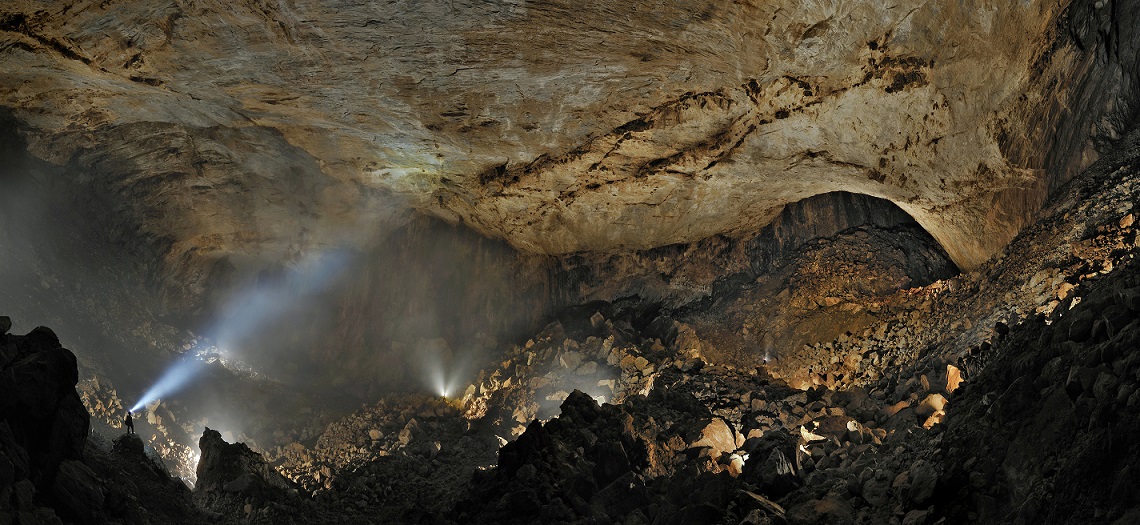
Mulu National Park has a lot to offer
Kota Kinabalu and Sipadan get most of the attention in Borneo. But Miri is often missed, even though it gives access to some of the world's biggest cave systems. Tourism here is steady but not overwhelming, with Mulu National Park seeing visitors mainly for adventure caving.
Gunung Mulu National Park is a UNESCO World Heritage site. It has the Sarawak Chamber—the largest cave room known on Earth, measuring about 600 meters long, 435 meters wide, and up to 115 meters high. The size is huge: you could fit around 40 large planes inside. It really surprises you. Other caves like Deer Cave host millions of bats that create a spectacular evening exodus.
To get there, fly to Miri, then take a small plane to Mulu. The trip feels like a real adventure, not just a tourist outing. That makes it more fun. Flights are operated by MASwings, and park entry requires a 5-day pass for unlimited access.
More Than Caves
Miri is mainly an oil town, with a mix of local people and workers from other countries. The food is good and varied, but you don't hear about it in travel stories—try fresh seafood at local markets or fusion dishes blending Malay, Chinese, and indigenous flavors.
Nearby Niah National Park has caves with signs of people from 40,000 years ago, including ancient paintings and burial sites. Compared to mainland Malaysia, very few tourists go there. For sustainability, follow park rules like no touching formations to preserve the delicate ecosystem. Visit during the dry season (March to October) to avoid heavy rains that can close trails.
Eastern Indonesia: Flores Island

Kelimutu is worth the hike
Most people fly to Komodo National Park, see the dragons, and leave—skipping Flores. That's a mistake, because the island has better things to do than just watch big lizards. With a population of about 2 million, Flores is emerging as an eco-tourism hub, but still sees fewer visitors than Bali's millions.
Flores is about 360 kilometers long. It has lots of different landscapes: volcanoes, old-style villages, rice fields like in Bali, and beaches not built up for tourists. It's all along one curvy mountain road, the Trans-Flores Highway. The island's name comes from Portuguese explorers meaning "flowers," reflecting its lush greenery.
Wae Rebo village shows why Flores is great. In the mountains, it has cone-shaped houses that look like from a story. The 2-3 hour uphill walk keeps away quick visitors—those who go are serious travelers. The village is a UNESCO-recognized cultural site, home to the Manggarai people.
Kelimutu Volcano
This is the top spot on Flores. Kelimutu has three lakes in craters that change colors—from blue to green to red—because of minerals and reactions. It sounds made up, but it's real and looks amazing. The changes are due to volcanic activity and weather, making each visit unique.
To see it at sunrise, you wake up at 3am for the hike. It's tough right then, but the view of the changing lakes at dawn with few people around is worth it. Usually, just five others are there. Local legends say the lakes are resting places for spirits, adding a mystical element. Travel by local bus or rented car; best from May to September for clear skies.
Northern Vietnam: Ha Giang Loop
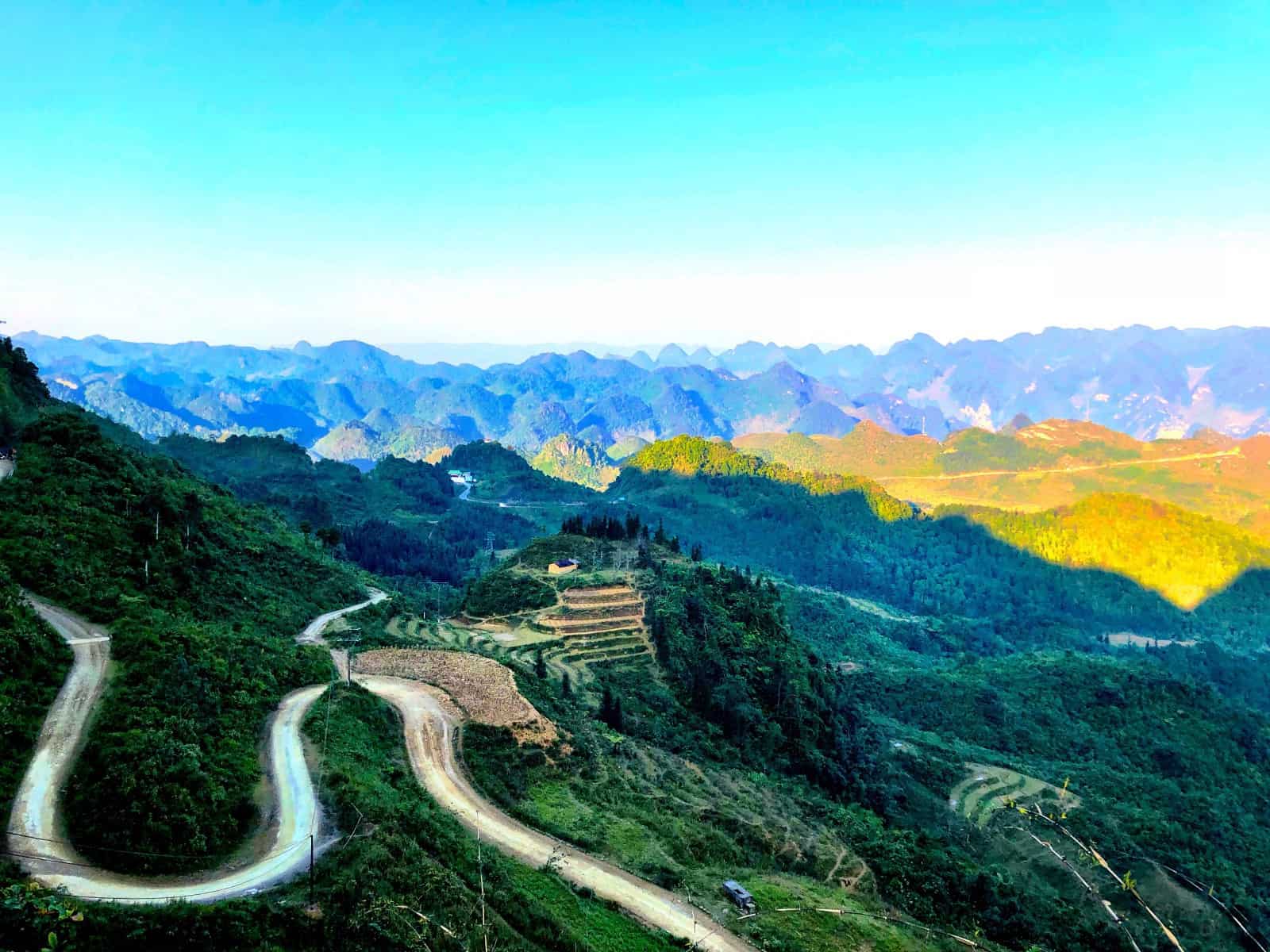
Try not to get dizzy on these roads
Ha Long Bay gets over 6-8 million visitors a year, with numbers climbing. Sapa is getting busier too. Ha Giang is still quieter, but social media is making it more known, with tours filling up quickly in peak seasons.
The Ha Giang Loop is a 300-kilometer motorcycle ride through the north mountains, near China. The views are big—rice terraces, villages of ethnic groups, and mountain roads that test your nerves. It's part of the UNESCO-recognized Dong Van Karst Plateau Geopark.
Most people rent easy motorcycles and do the loop in 3-4 days. You can hire a driver, but it's not as good. The roads aren't hard, just keep you alert. Permits are required for the border area, obtainable in Ha Giang town.
Cultural Side
The groups like H'mong, Tay, and Dao are the main draw. These aren't show villages. This is how they really live. Traditional clothes are what they wear every day, not for show. Markets like the Dong Van Sunday market offer a glimpse into local trade and crafts.
Stays are simple: hard floors, shared bathrooms, few extras. But the welcome is really great. You'll probably drink rice wine with the family late at night, and that becomes the best memory. Be respectful—ask before taking photos and learn basic phrases. Visit October to December for blooming buckwheat fields or March-April for milder weather.
The Setup Reality
These spots are "hidden" because they're hard to get to. No direct flights and quick hotel check-ins. You deal with buses that stop working, boats on loose times, and planes that make you wonder about safety. In 2025, infrastructure is improving, but delays are common due to weather or roadworks.
Setup is basic or none. WiFi is spotty or gone. Food is just what's local—think rice, vegetables, and simple meats. Few speak English. If you need things to go smooth and comfy, stick to busy tourist spots. For health, carry medications and water purifiers; altitude in places like Ha Giang can cause sickness.
But if you can handle not knowing and being uncomfortable, these places give experiences you can't find in tourist areas. It's different when a place isn't made just for visitors. Sustainable practices, like supporting local guides, help keep it that way.
Practical Tips
Unlike places with good tourist setup, these need you to be flexible and okay with mess.
Luang Namtha hikes are set up when you get there—no booking ahead. Mulu flights have few times on MASwings. Flores travel uses buses and ferries with times that are more ideas than rules. For Ha Giang, join group tours if solo for safety.
Add extra days to your plan. This is key. Don't book your flight out for the day you think you'll be back from Ha Giang. Delays happen—buses late, ferries canceled, flights changed. Plan for it or pay extra to fix bookings. Budget $50-100 per day including transport and food. Get travel insurance covering adventure activities.
Planning a trip to Southeast Asia? We often find roundtrip flights from North America under $500, with better deals from inside Asia. Join free to see current deals, and get more tailored suggestions for your trips.
Weighing the Choices
If easy and comfy is key after a long flight, busy tourist places are better. They're popular for good reasons—things work, booking is easy, and it's nice. But they face challenges like plastic waste and coral damage from too many snorkelers.
But if you want to see places before they get full of tourists, the time is running out. Ha Giang is showing up more on social media. Flores is in more travel articles. The phase where it's easy to reach but not changed for tourists won't last. Similar spots include Sumatra in Indonesia or northern Myanmar, but check safety.
That perfect balance of reachable-but-not-turned-into-a-product is getting rare in Southeast Asia. A few still are, but not for long. Promote responsible tourism: leave no trace, buy local, and avoid single-use plastics.
The downsides are there: more unknowns, bad setup, translation issues... there will be problems. But the trips are special. Your photos won't look like everyone else's. Your stories will have real meaning beyond "nice hotel."